If you've been browsing perfume lately—whether mainstream department store or independent brands—you've probably encountered the word "gourmand." It's everywhere. But what does it actually mean, and why should you care?
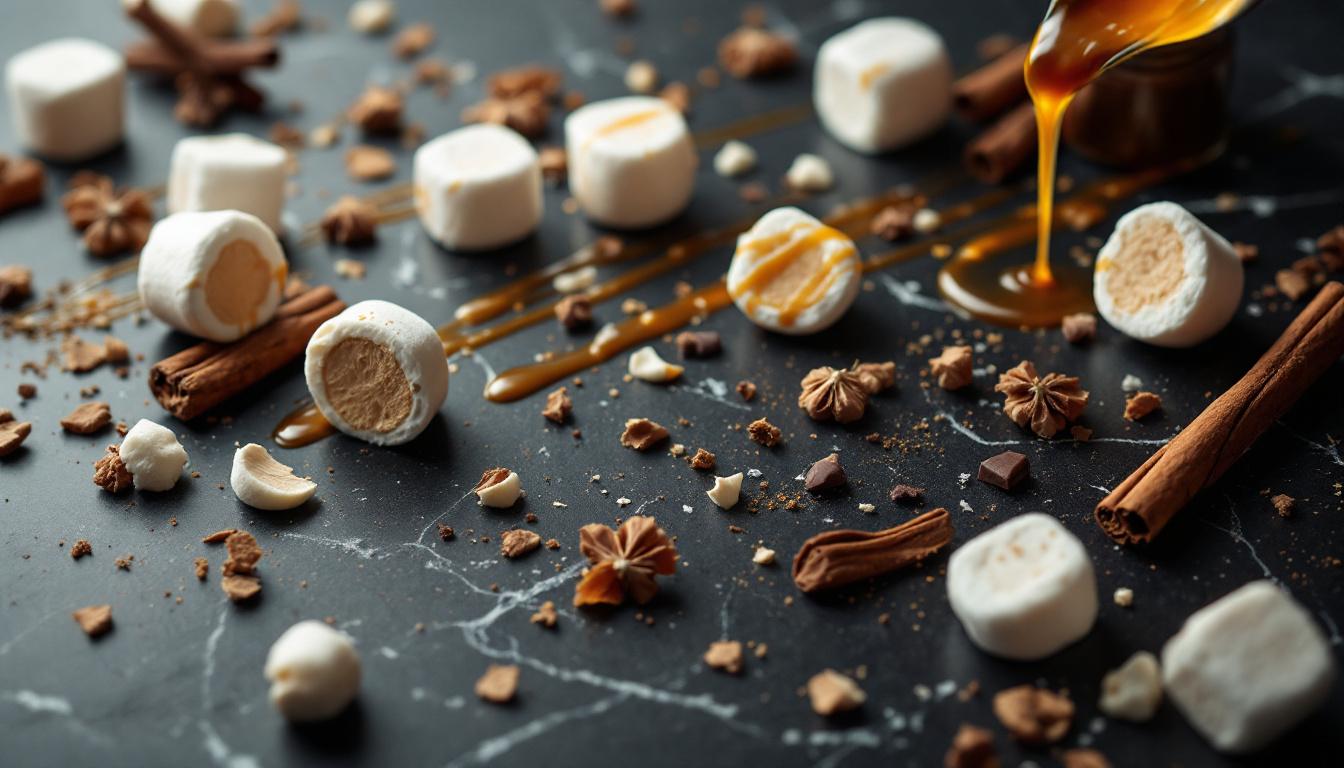
A gourmand fragrance is one that smells like something you'd want to eat. Think vanilla, caramel, chocolate, amber, tonka bean, honey, almond. These are fragrances built around edible, sweet, warm notes that feel almost good enough to taste. The word itself comes from French—someone with a refined appreciation for fine food.
The thing is, gourmand fragrances aren't really about smelling like dessert in a literal way. They're about capturing that sense of comfort, indulgence, and warmth that food evokes. When you smell a true gourmand perfume, you're not smelling caramel pie or chocolate mousse. You're smelling the *feeling* those things create—sensuality, familiarity, luxury.
Why Are They Having a Moment?
Gourmand perfumes exploded in popularity around the mid-2000s, and they've never really left. Part of that is psychological: in uncertain times, people gravitate toward comfort. A fragrance that smells warm and safe and indulgent does something simple and powerful—it makes you feel held.
The other reason is accessibility. Gourmand fragrances are immediately likeable. You don't need a perfume degree to appreciate vanilla or tonka. They're democratic in a way that, say, a high-concept aldehydic floral or a challenging leather note isn't. They work for people who've worn the same fragrance for twenty years and people trying perfume for the first time.
The Mainstream vs. The Independent
Big houses know this. Brands like Prada, Givenchy, and Lancôme have bestsellers in the gourmand category—Prada Candy, Givenchy Amarige, Lancôme La Vie Est Belle. These are gorgeous, expertly made fragrances, and they're designed to appeal to millions of people across the world.
The independent scene is where gourmand gets interesting. Smaller perfumers—people often working in single studios or small batches—get to play with gourmand in ways the mainstream can't. They can be more precise, more daring, more personal. An indie gourmand might lean into the powdery side, or add unexpected herbal notes, or use unusual vanilla sources. There's room for individual voice.
Where Do We Sit?
At Jam & Bottle, two of our three fragrances live comfortably in the gourmand family. No. 2, Spun & Golden, is unabashedly gourmand—inspired by a crêpe stand in Brittany, it's all butter, vanilla, and that sense of warmth you get when you smell fresh pastry. No. 3, Ember & Velvet, is a darker interpretation: it's gourmand, but moody. Noir. There's vanilla and tonka, but there's also pepper and vetiver and something slightly smoky underneath.
No. 1, Powder & Petal, sits outside the gourmand world entirely—it's a powdery floral, cooler and more contemplative.
The reason we created No. 2 and No. 3 as gourmand fragrances isn't to follow a trend. It's because gourmand is honest. It's about celebrating ingredients we genuinely love and moments that genuinely moved us. And because, frankly, when you're building something handcrafted and small, you might as well build something that feels like comfort and indulgence.
That's what gourmand really is, in the end. Not a marketing category. It's an invitation to feel something warm.