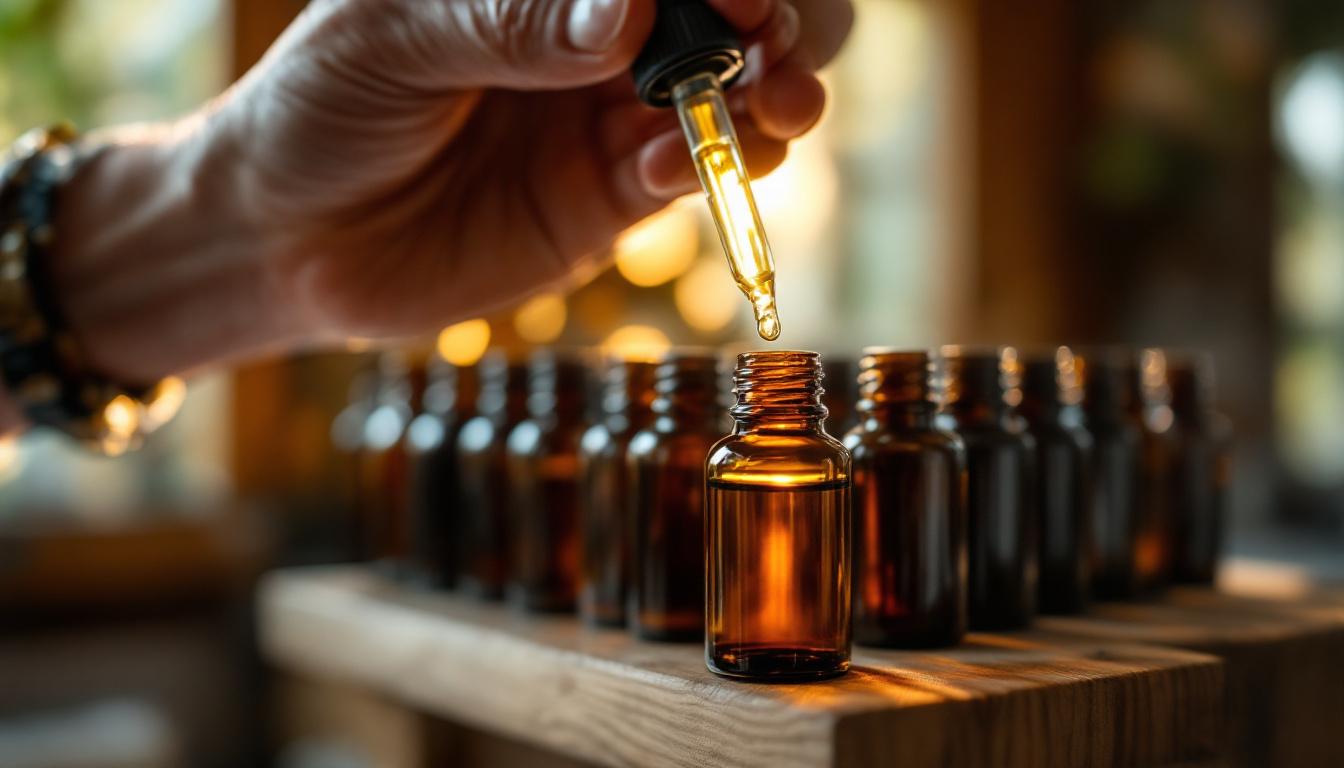
The indie fragrance world has exploded in the last decade. You can find hundreds of small-batch perfume brands online now, each one promising something different. Niche ingredients. Unique compositions. Stories that matter. But how do you know which ones are actually worth your money, and which are just trying to ride the wave of being "indie"?
We've been asked this question enough times that we wanted to share what we look for when we evaluate any indie fragrance brand, including our own. These are the markers of genuine craftsmanship versus marketing hype.
Ingredient Transparency
This is the first filter. A brand that's confident in its work will list its ingredients. Not vaguely, like "fragrance blend and carrier oil." But specifically. What essential oils or fragrance compounds are in there? What's the carrier? Are there any preservatives? What about possible allergens?
Indie brands don't have to disclose everything the way big commercial brands do. So the fact that a small perfumer chooses to list ingredients anyway? That's a sign they're not hiding anything. They're inviting you to understand what you're buying.
Red flag: brands that refuse to tell you what's in their fragrances. That secrecy might feel luxurious, but it often just means they're unsure about what they've put in the bottle, or they're using cheap synthetics they don't want you to know about.
Concentration Levels
This matters more than people realize. A perfume that's labelled "Eau de Toilette" (typically 5-10% fragrance concentration) will fade faster than an "Eau de Parfum" (15-20% concentration). An indie brand charging full price for EDT concentration should say so clearly. And if they're offering something more concentrated, they should be transparent about that too, because it affects how much you'll actually use.
We make Jam & Bottle fragrances at Eau de Parfum concentration because we want them to last. We want you to get a full day's wear from one application. And we tell you that upfront so you know what to expect.
An indie brand that isn't clear about concentration is either inexperienced or being deliberately unclear about value. Both are problems.
Batch Size and Production Philosophy
Here's something interesting: most indie perfumers work in small batches. This sounds romantic, but it also has practical implications. Small batches mean variation from one production run to the next. The same fragrance might smell slightly different depending on when you buy it, because the carrier oils, the temperature, even the source of the raw materials can shift slightly.
A brand that acknowledges this variation is being honest. A brand that pretends their small-batch work is somehow more "consistent" than commercial perfumes is either naive or not actually as small-batch as they claim.
That said, small batches also mean the brand cares about quality over quantity. They're not trying to produce thousands of bottles a month. They're focused on each composition. That's usually a good sign.
The Founder Story (But Check If It's Real)
Indie brands often tell stories. The founder discovered fragrance in their grandmother's bathroom. They trained in Grasse. They've been obsessed with scent their whole life. These stories can be beautiful and true. But they can also be marketing.
Look for consistency. Has the founder been making fragrance for a long time, or did they just launch last year? Are they still actively involved, or have they stepped back? Do they engage with their customers about the work? The story matters, but the actual dedication to the craft matters more.
For what it's worth, our story is simple. We fell in love with fragrance. We started experimenting in Lincolnshire. We made something we believed in. We're still learning, still improving, still making every batch with intention. That's not a particularly dramatic narrative, but it's honest.
Price Justification
Indie fragrances are often more expensive than mainstream brands. There's a reason for that. Small batch work costs more. Good ingredients cost more. Limited production runs cost more per unit. No marketing budget means less ability to absorb costs.
But a high price doesn't automatically mean high quality. Look for brands that can explain what you're paying for. If they're using rare oud, they should tell you. If their bottles are hand-filled, they should mention it. If they're using natural ingredients exclusively (or deliberately blending natural and synthetic for quality reasons), that should be clear.
A brand that's expensive but vague about why is just using "indie" as an excuse to charge luxury prices without the transparency that should come with it.
Customer Service and Relationship
Can you actually contact the brand? Do they respond to emails? Do they care if you have a problem? These seem like small things, but they tell you a lot. A brand that treats you like a person rather than a transaction cares about their work and their customers.
We get emails from people asking questions about our fragrances, and we answer them. Not because it's good marketing. Because you deserve to know if No.3 is going to work for your skin type, or if you should try our discovery set first. The relationship matters as much as the product.
Longevity and Evolution
Finally, look at whether the brand has staying power. Are they still here five years later, or were they a flash in the pan? Have they introduced new fragrances thoughtfully, or are they churning out new scents constantly? Do they listen to customer feedback, or do they just do their thing regardless?
Indie brands that last are the ones that care about the work more than the trend. They're still making fragrance because they love it, not because they're chasing viral moments on social media.
Choosing an indie perfume is an act of trust. You're betting that this small brand is going to deliver something worth your money and worth your attention. The markers above should help you make that bet wisely. Look for transparency. Look for intention. Look for a brand that's been around long enough to have proven themselves, or is new enough to still be hungry to prove themselves.
And remember... if the fragrance itself is beautiful? That's the best marker of all.