There's a question I get a lot, usually framed as politely as possible: "Why is your perfume more expensive than what I can get at Boots?"
It's a fair question. You can absolutely buy a fragrance for £15. You can get a bottle of something major, something with a recognizable brand, for that price. So why would you pay £25 for a 50ml bottle from a small batch maker you've probably never heard of?
Let me walk through it.
The Economics of Scale
When you're making perfume in millions of units, your cost per bottle drops dramatically. A fragrance house producing 500,000 bottles can negotiate with suppliers in ways I simply can't. They buy in bulk. They automate. They move volume.
But there's a trade-off. When you're optimizing for scale, you're optimizing for what works for the most people, for the cheapest possible price. That means compromises. Synthetic molecules instead of naturals where naturals are more expensive. Fillers and stabilizers instead of time. Standardization instead of character.
None of that is malicious. It's just math. When your business model depends on moving thousands of bottles a week, you can't afford to obsess over every single detail.
What Small Batch Does Differently
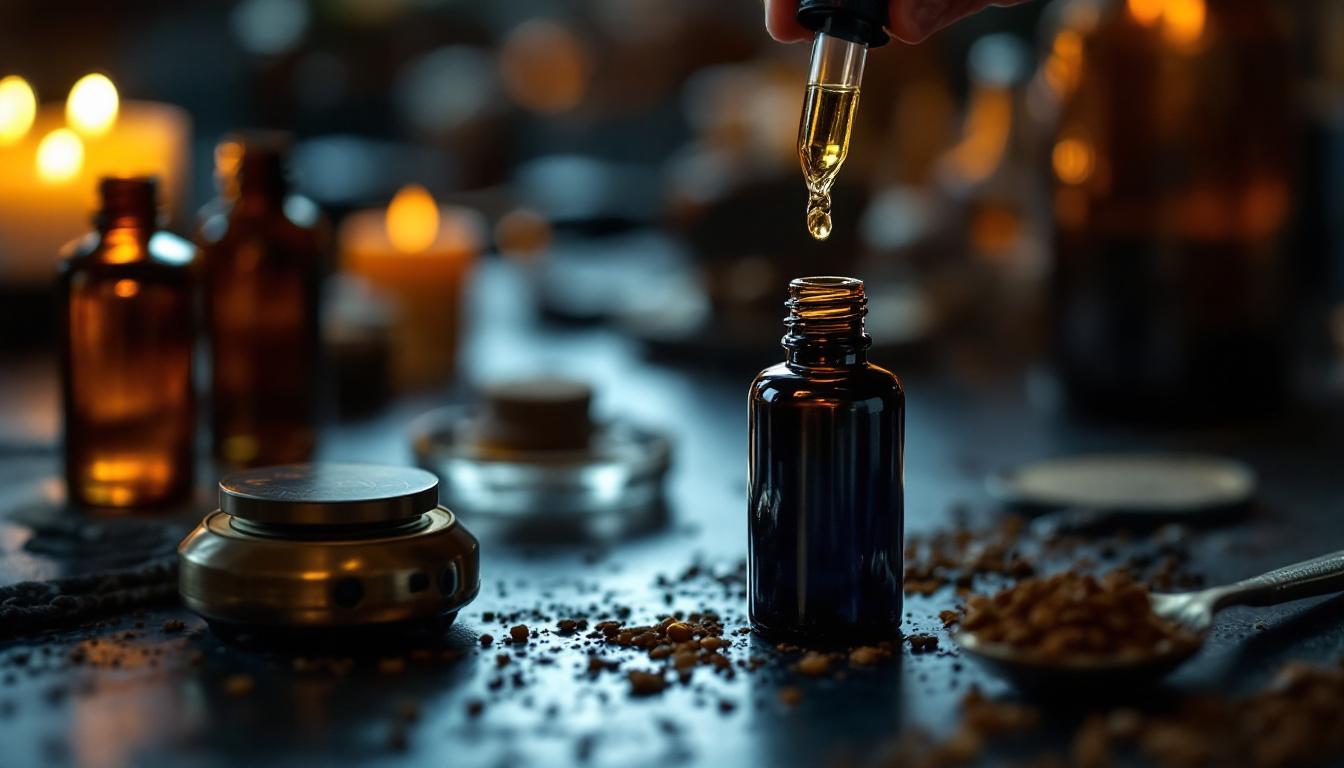
I make 50 bottles at a time. Sometimes 100. Sometimes 30. That sounds less efficient, because it is. But inefficiency at this scale means something: every batch gets attention.
I choose ingredients because I love them, not because they check a marketing box. If a particular vanilla costs three times as much but smells three times better, I use it. If it takes an extra week for something to macerate properly, it waits. If I'm not happy with a batch, I remake it. I can afford to do that because I'm not managing quarterly earnings reports. I'm managing my reputation.
That's not virtue signaling. It's just how small works.
The Ingredient Question
Here's something that matters but doesn't show up on a label: perfume ingredients are subject to almost no regulation. A fragrance house can use synthetic musks, synthetic amber, heavily processed naturals, or genuine absolutes—and they're all legally called "perfume."
When you're small, you have to choose. I've chosen to use natural ingredients wherever I can. Actual tonka bean. Real vanilla. Genuine florals. Some synthetics too—there are things synthetics do brilliantly that nature doesn't—but the base is built on things that grew somewhere.
That costs more. Not just a little more. Significantly more.
But it smells different. It ages differently. It sits on your skin differently. Natural ingredients have complexity that synthetics, even the good ones, struggle to match. Your skin chemistry interacts with them differently. The fragrance becomes slightly unique to you.
The Time Investment
I spend months on a fragrance before I sell a single bottle. Testing, reformulating, testing again. Smelling it on different people. Leaving it on my skin all day. Coming back to it the next morning. Does it still smell good? Did it develop in a way I didn't expect? Is that development interesting or is it a problem?
A mass-produced fragrance gets similar development time. But one person isn't making all the decisions. There's a fragrance briefs, focus groups, packaging meetings, marketing strategy. The result is safe. It's been tested to death.
When I make a fragrance, I'm making it for people like me. People who want something a bit less obvious. A bit more personal. A bit more real.
The Ethical Question
I know where my ingredients come from. I know the growers. I know the distillers. When I buy vanilla from Madagascar, I know it's supporting a specific farm. When I source florals, I know the environmental impact.
Does that cost more? Yes. Am I entirely sure I'm always making the most ethical choice? No—the world of fragrance sourcing is complicated. But I'm doing the work of knowing. I'm not buying from a middleman who bought from a middleman who doesn't know anything either.
What You're Actually Paying For
When you buy a Jam & Bottle perfume, you're paying for ingredient quality. You're paying for time and attention. You're paying for someone—me—to stake her reputation on every bottle.
You're also paying for something harder to quantify: you're buying from someone who has space to care. Space to think about what matters. Space to not follow trends if they don't feel right.
That's what small batch means. Not smaller, not independent, not artisanal as a marketing tag. It means there's actually someone paying attention to the thing you're buying.
And if that someone is me, spending my evenings in a studio in Grantham, testing whether a new batch has the right balance—then maybe that's worth a bit more than fifteen quid.